
Description
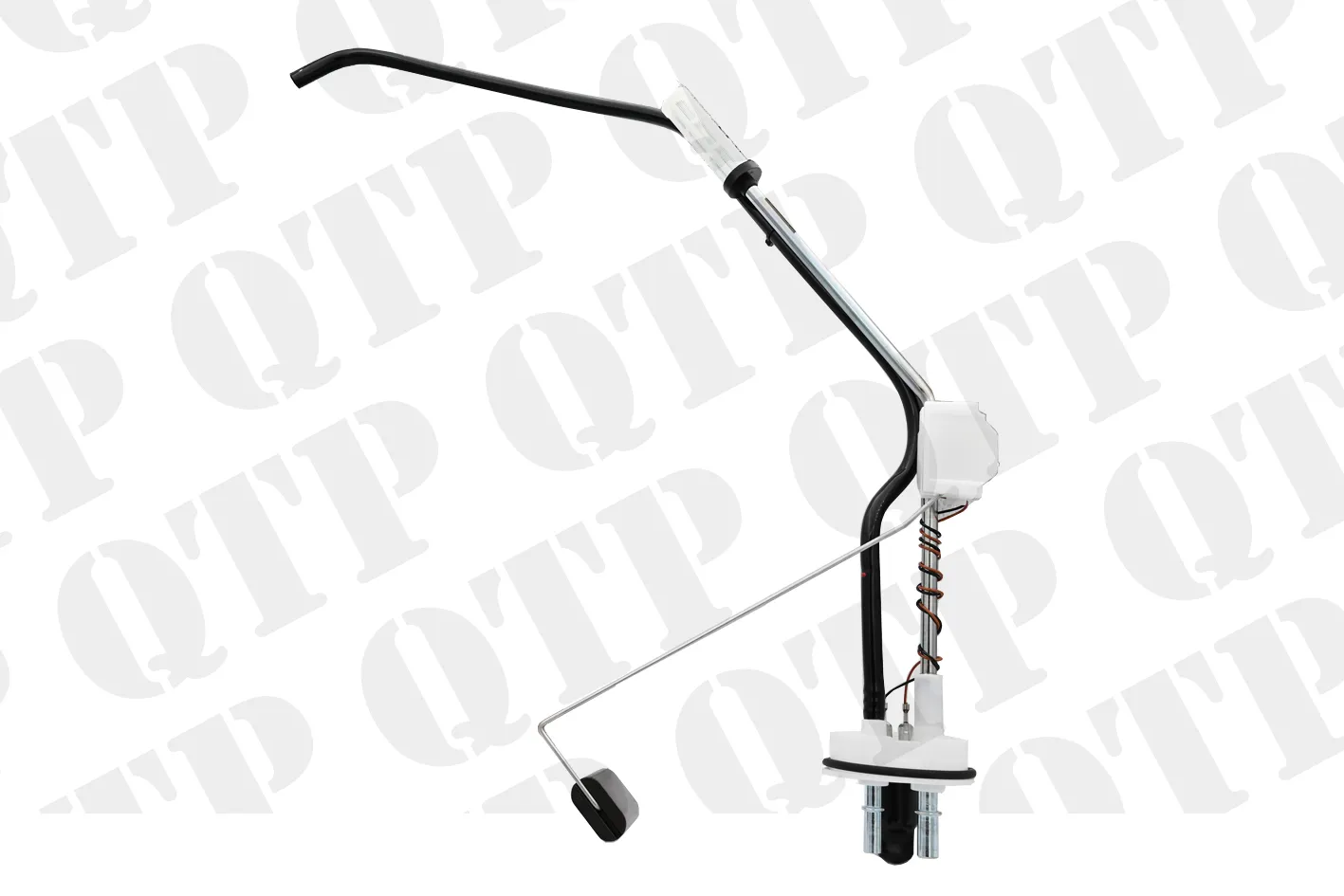
You know that sinking feeling when your fuel gauge shows half a tank, but your tractor sputters to a stop in the middle of the field? Or worse, when it reads empty but you know there’s fuel in there somewhere. A faulty fuel sender turns every trip to the field into a guessing game. This replacement sender unit gets your gauge reading accurately again, so you can plan your work without constantly wondering how much fuel you’ve got left.
What You’re Getting
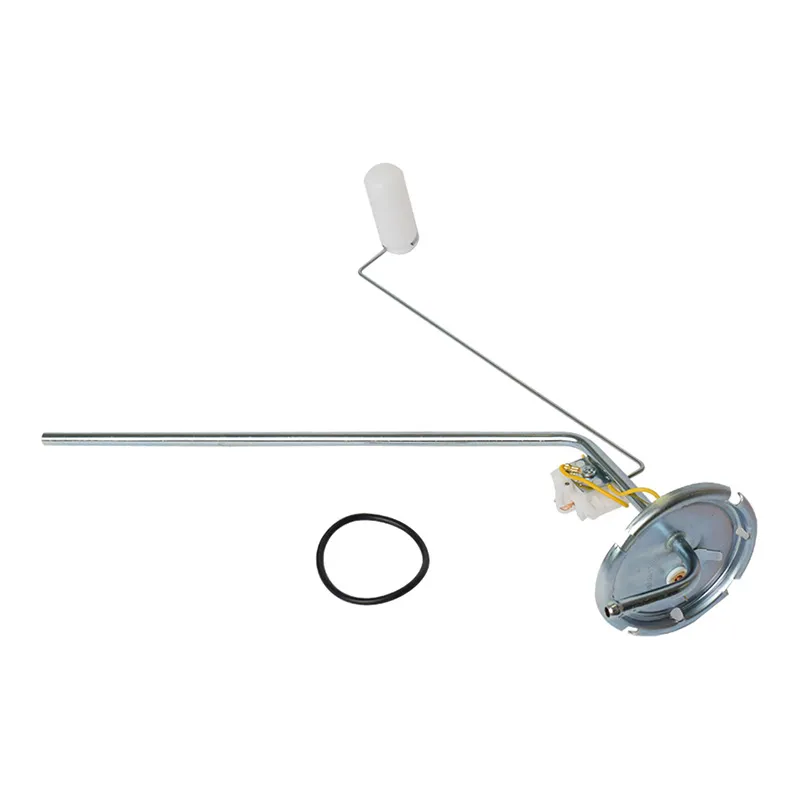
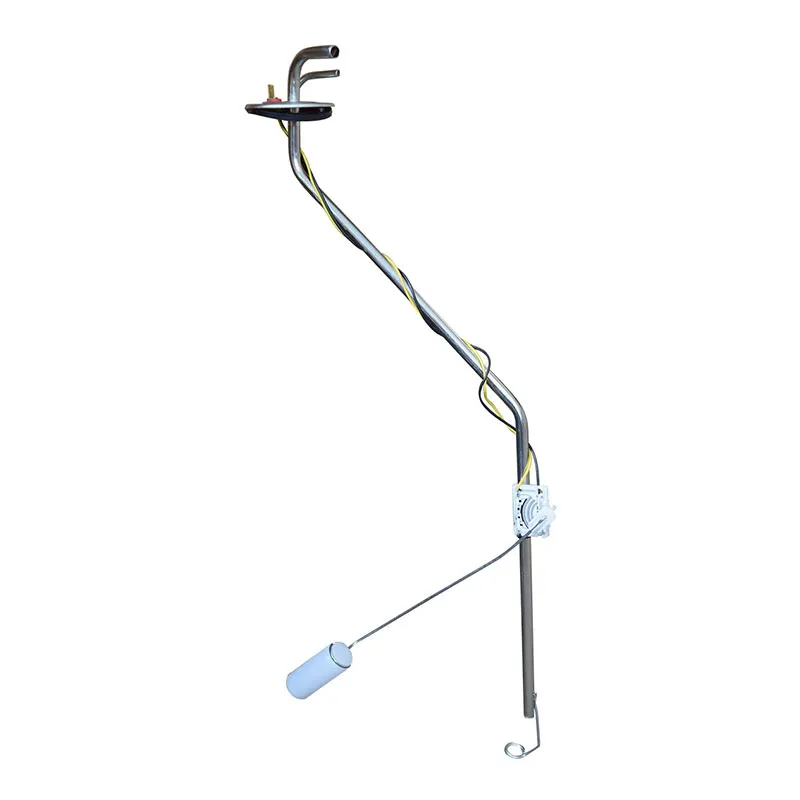
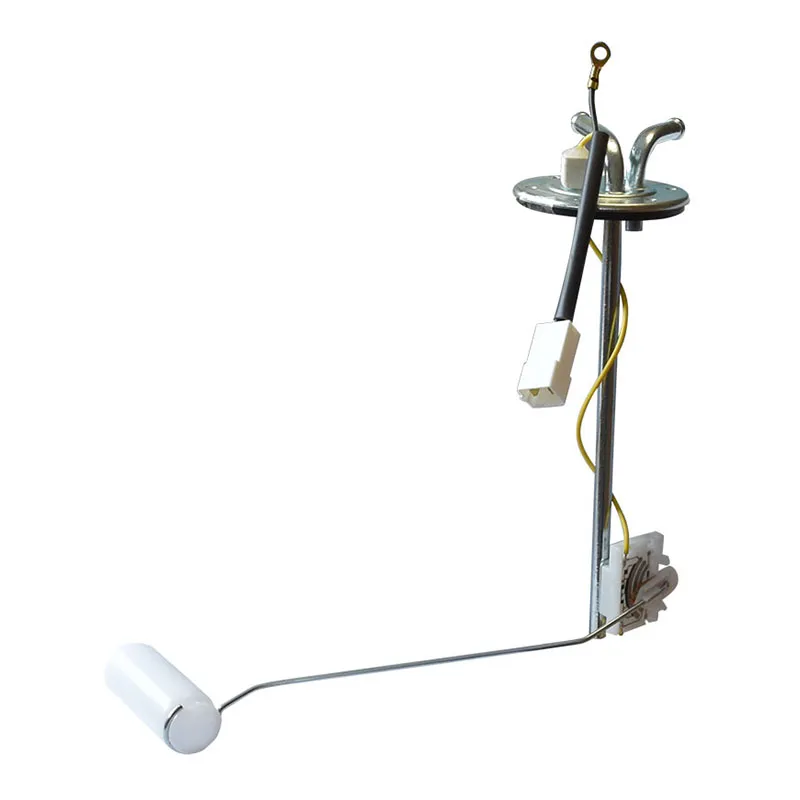
- Complete sender assembly with float that moves smoothly through the full fuel range
- Precise resistance values that match your original gauge calibration perfectly
- Diesel-resistant materials that won’t degrade from fuel contamination or temperature swings
- Direct replacement design that installs just like the original – no modifications needed
- Quality construction that handles the constant vibration and harsh conditions of farm work
Built for Real Farm Work
This sender fits the workhorse tractors that built American agriculture – from the compact 1640 that’s perfect for loader work and tight spaces, to the versatile 2040 that handles everything from cultivating to hay work, up to the powerful 2650 and 2850 that pull heavy implements through tough ground. Whether you’re running a 40-horsepower utility tractor around the farmyard or a 90-horsepower field machine during planting season, accurate fuel monitoring keeps you working efficiently.
Made to Last
Tractor fuel tanks create some of the harshest environments for electronic components. Condensation forms water that settles to the bottom, diesel fuel can be contaminated with dirt and debris, and constant sloshing and vibration test every joint and connection. This sender unit uses materials specifically chosen to resist diesel fuel degradation while providing years of reliable service.
Installation Notes
Install this sender when your tank is as low as possible to minimize fuel handling. Clean around the tank opening thoroughly before removal to keep dirt out of your fuel system. The float arm orientation matters – note how the old one sits before removal so the new one goes back the same way. Always use fresh gaskets or sealing rings to prevent leaks, and test the gauge through its full range after installation to make sure everything’s reading correctly.
Reviews
There are no reviews yet.