
Description
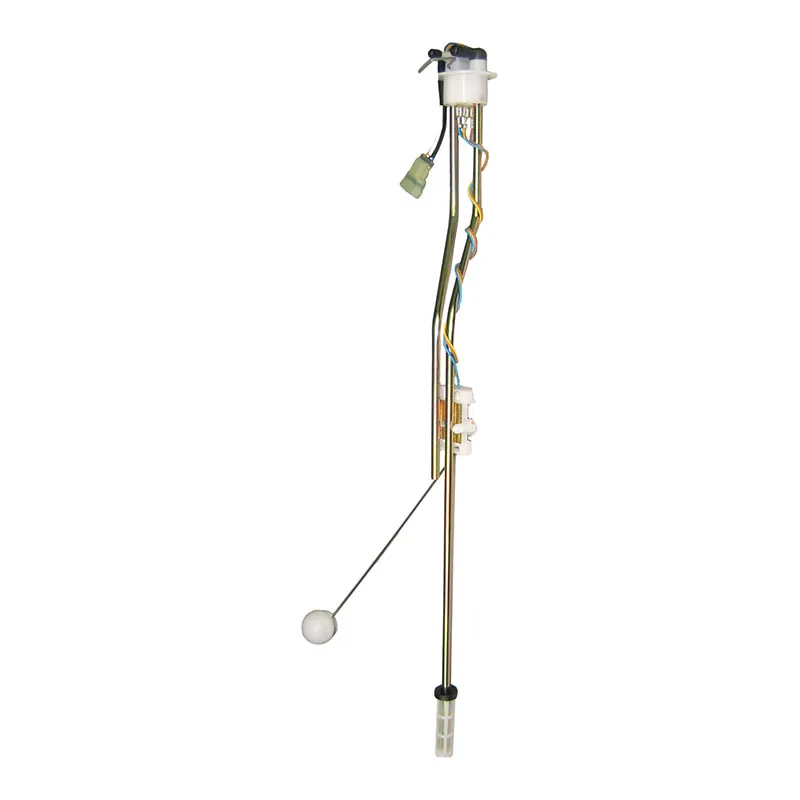
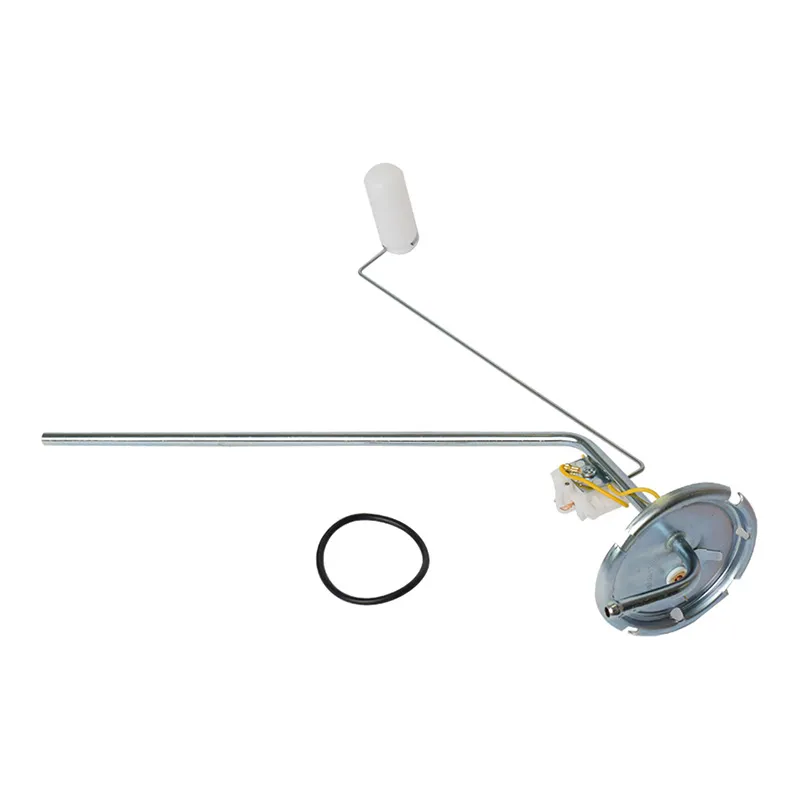
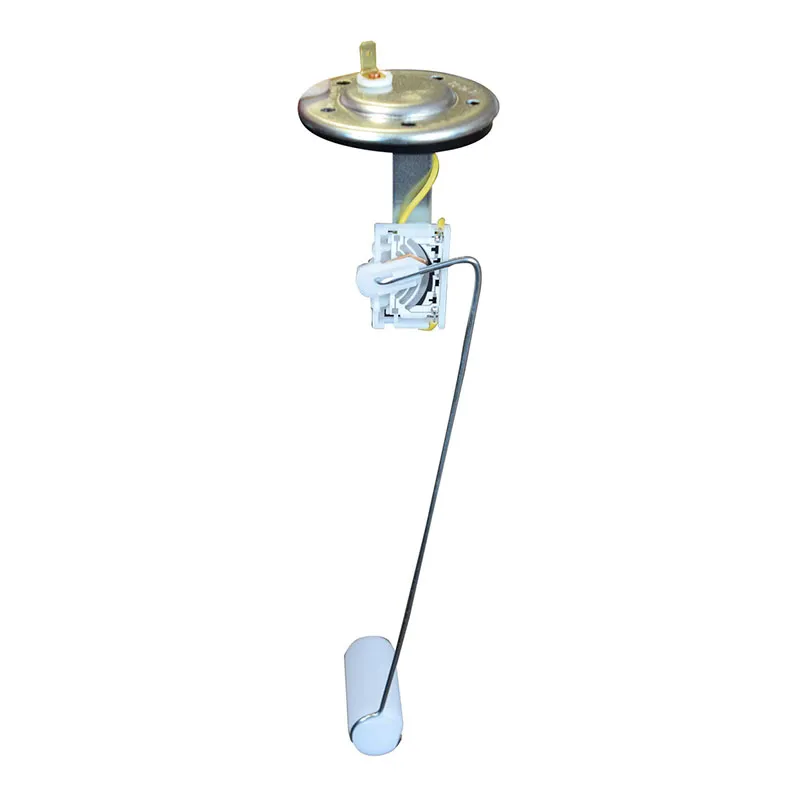
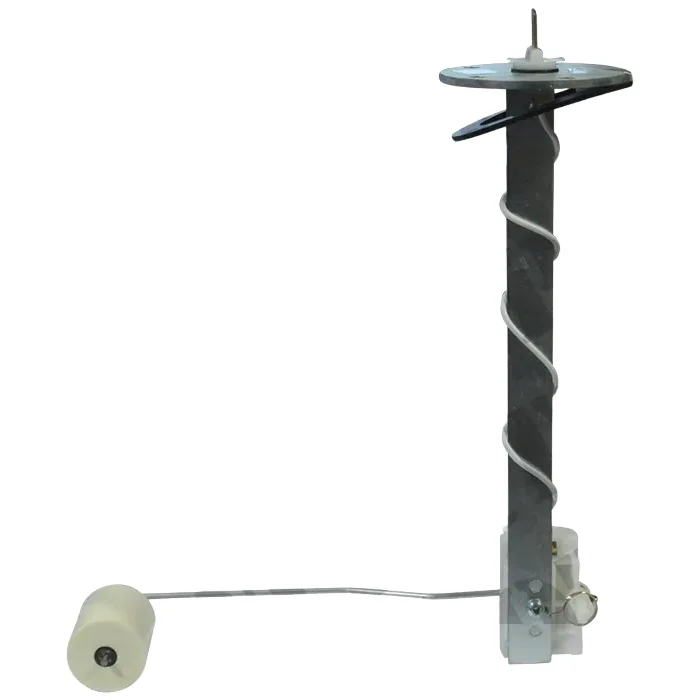
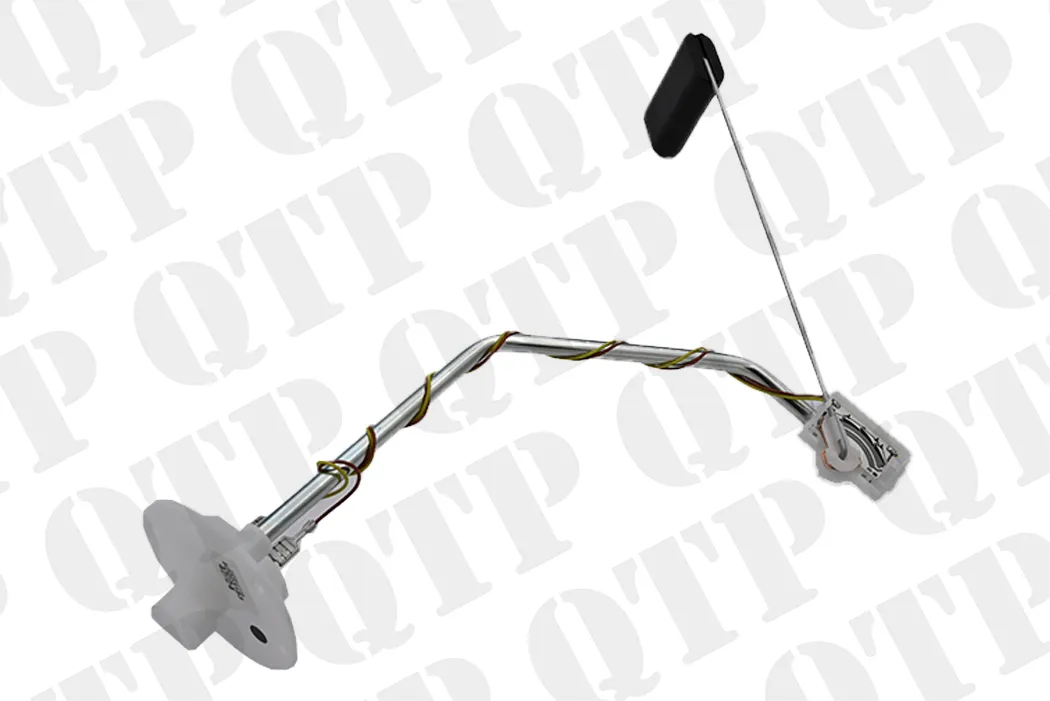
When your fuel gauge starts acting up—sticking on empty with a full tank, reading half when you’re nearly out, or bouncing around like a ping pong ball—you know it’s time to replace that fuel sender. Nothing’s worse than running dry in the middle of a long cultivation pass or hay cutting because you couldn’t trust what the gauge was telling you. This 27-inch low profile sender gets your fuel monitoring back on track so you can plan your day around real fuel levels instead of guesswork.
What You’re Getting
- 27-inch length fits perfectly in 300 series fuel tank configuration without interference
- Low profile design clears tank internals and mounting hardware
- Accurate resistance range provides smooth, linear gauge readings from empty to full
- Float mechanism calibrated specifically for diesel fuel density
- Corrosion-resistant construction handles today’s ethanol-blended fuels
Built for Real Farm Work
This sender fits the reliable Massey Ferguson 300 series tractors—365, 375, 390, 390T, and 398 models that handle everything from loader work to field cultivation. Whether you’re running a 365 for hay operations, pulling implements with a 390, or doing heavy lifting with a 398, accurate fuel monitoring keeps you productive instead of walking back to the barn with jerry cans.
Made to Last
Fuel senders work in harsh conditions—constantly immersed in diesel, dealing with tank vibration, and expected to provide accurate readings for years. This replacement uses fuel-resistant materials and a robust float mechanism that won’t stick or drift over time. The electrical connections stay clean and corrosion-free, ensuring consistent signal to your dash gauge.
Installation Notes
You’ll need to drain the tank completely before starting—plan for proper fuel storage and disposal. Clean around the sender opening thoroughly to keep debris out of your tank. The new sender drops right in place of the old unit, but check that the float arm moves freely through its full range before buttoning everything up. After installation, add fuel gradually while watching your gauge—it should rise smoothly without dead spots or jumpy readings.
Reviews
There are no reviews yet.