
Description
If you’ve noticed your trusty Ford N series tractor starting to run hot during those long summer days, or you’re constantly topping off coolant that seems to disappear, chances are your radiator has reached the end of its rope. When your trusty Ford starts running hot under load or you’re constantly topping off coolant from mysterious losses, that original radiator has likely given its all after decades of faithful service. This replacement radiator provides superior cooling capacity to keep these classic workhorses running at proper temperatures, preventing the overheating that destroys engines. Don’t let a failing radiator take out your engine when a replacement can keep you farming for years to come.
What You’re Getting
- Direct factory replacement that fits perfectly without modifications
- Durable construction built to handle the vibration and temperature swings of farm life
- Proper cooling capacity to keep your N series engine running at the right temperature
- Quality materials that resist corrosion from coolant and weather exposure
Built for Real Farm Work
This radiator is designed for the legendary Ford N series tractors – the 8N, 9N, and 2N models that helped mechanize American agriculture. This radiator serves the Ford tractors that built American agriculture – reliable 2000, 3000, and 4000 series machines still earning their keep on farms everywhere. Whether your 3000 powers the brush hog on hot summer days, your 4000 pulls hay equipment through heavy windrows, or your 2000 handles loader work around the farmstead, proper cooling keeps these 40-75 horsepower classics running strong. Whether you’re using your N series for mowing, light tillage, or running a small hay operation, this radiator handles the heat.
Made to Last
These classic Fords deserve quality components that match their legendary durability – this radiator helps ensure your tractor outlasts you. Built with quality materials and proper construction techniques, this radiator is designed to provide years of reliable cooling service. The core and tank construction can handle the pressure cycles and temperature extremes that come with farm work.
Installation Notes
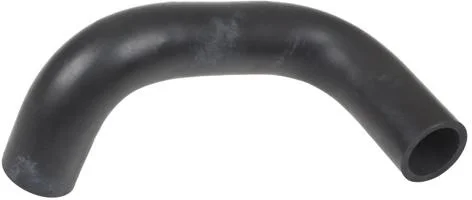
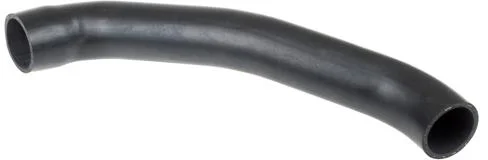
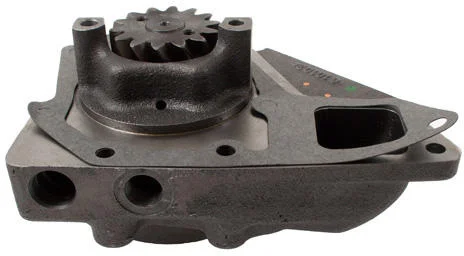
During installation, thoroughly flush the cooling system to remove debris that could clog the new radiator. Replace radiator hoses, clamps, and thermostat while you’re at it – old hoses often fail shortly after radiator replacement. This is a direct replacement for the original equipment, so installation is straightforward. While you’ve got things apart, it’s a good time to check your fan belt and inspect the water pump – you don’t want other cooling system components to fail after installing your new radiator.
Reviews
There are no reviews yet.