
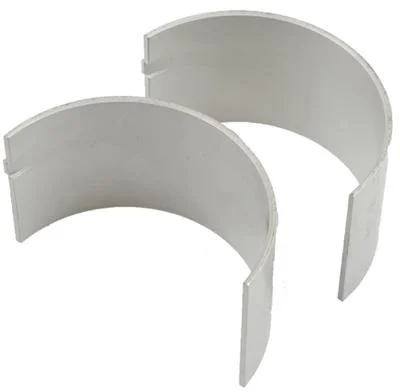
Description
That rhythmic knocking from your engine isn’t something to ignore – it’s usually worn connecting rod bearings crying for help. When these critical bearings start to fail, they’ll let you know with noise that gets worse under load, metal shavings in your oil, and eventually complete engine seizure if you keep running it. These individual connecting rod bearings give you the option to replace just the worn ones during maintenance or repair, getting your Allis Chalmers engine back to smooth, quiet operation.
What You’re Getting
- Standard size bearings for original crankshaft journals – no machine work needed
- 3.19 inch length and width designed for proper fit and oil clearance
- 0.062 inch wall thickness provides durability under high engine loads
- Individual bearings let you replace only what’s worn instead of a complete set
- Quality construction that meets the demands of agricultural engine operation
Built for Real Farm Work
Allis Chalmers tractors have powered American farms for decades, from the vintage WD and WC models that are still working today to the later series that handled bigger operations. Whether you’re restoring a classic orange tractor or keeping a workhorse running for daily chores, these connecting rod bearings are essential for transferring power from your pistons to the crankshaft reliably and quietly.
Made to Last
Connecting rod bearings take tremendous abuse, handling thousands of power strokes per minute while supporting heavy loads. These bearings are manufactured to handle the constant reciprocating motion, high temperatures, and pressure cycling that comes with diesel and gas engine operation. The proper wall thickness ensures they’ll maintain oil clearances and protect your crankshaft journals for years of reliable service.
Good to Know
Installing connecting rod bearings requires engine disassembly and is typically done during major overhauls or when addressing bearing knock. Always check crankshaft journals for scoring or wear before installing new bearings – damaged journals will destroy new bearings quickly. Proper torque specifications are critical, and it’s wise to replace all rod bearings at once even if only one shows obvious wear since they typically wear at similar rates.
Reviews
There are no reviews yet.