
Description
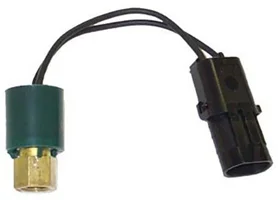
When your hydraulic system stops responding like it should—maybe your loader won’t lift that round bale or your three-point hitch won’t hold position—there’s a good chance this little switch is the culprit. This normally closed pressure switch keeps tabs on your hydraulic system pressure, closing at 193 PSI and opening when things get up to 395 PSI. It’s the quiet guardian that tells your tractor’s brain when hydraulic pressure is where it needs to be for everything to work right.
What You’re Getting
- Normally closed design that signals your tractor when hydraulic pressure is adequate
- Precise pressure settings that close at 193 PSI and open at 395 PSI for optimal system operation
- Heavy-duty construction that handles the vibration and temperature swings of farm equipment
- Direct replacement that plugs into your existing wiring harness without modifications
- TISCO quality that matches OEM performance at a farm-friendly price
Built for Real Farm Work
This switch fits an impressive range of John Deere equipment—from mid-size utility tractors like the 2250 and 3050 series up through the big iron like 8870 row-crop tractors and massive 9870STS combines. Whether you’re running a compact utility tractor for chores or operating a large combine during harvest, this switch monitors the hydraulic pressure that powers steering, three-point hitch, loader functions, and other critical systems.
Made to Last
Hydraulic pressure switches live in a tough neighborhood—constantly cycling on and off while dealing with hydraulic fluid, temperature changes, and the vibration that comes with heavy equipment. This TISCO switch is built to handle those conditions without the internal corrosion or contact failure that sidelines cheaper switches. The sealed construction keeps moisture and contaminants out while maintaining accurate pressure sensing.
Installation Notes
This switch threads into your existing hydraulic pressure port—usually takes about fifteen minutes to swap out. Make sure to relieve hydraulic pressure before removal, and have a catch pan ready since you’ll lose a bit of fluid. The electrical connection is typically a simple two-wire setup that plugs right into your existing harness. Test your hydraulics at low pressure first to make sure everything’s working before getting back to heavy work.
Reviews
There are no reviews yet.