
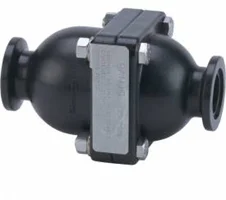
Description
When your hydraulic system starts acting up—implements moving sluggishly, loaders that won’t lift their usual loads, or hydraulic oil running hotter than it should—it might be time to check your pressure relief valve. This 100 PSI relief valve acts as the safety guardian for low-pressure hydraulic systems, protecting pumps and cylinders from damage while maintaining the steady pressure your equipment needs to work right.
What You’re Getting
- Precision-calibrated 100 PSI setting for accurate pressure control in low-pressure systems
- Durable construction built to handle the constant pressure cycling of farm work
- Direct replacement design that installs without modifications or special adapters
- Quality materials that resist wear from hydraulic fluid exposure and temperature changes
Built for Real Farm Work
This relief valve fits a variety of agricultural hydraulic applications where lower pressures are used—auxiliary circuits, power steering systems, implement positioning, and specialized equipment that operates in the 100 PSI range. Whether you’re running utility tractors with basic hydraulic functions or specialized equipment with dedicated low-pressure circuits, this valve provides the protection these systems need.
Made to Last
Farm hydraulics work hard, and relief valves take a beating from constant pressure cycling and contamination. This valve features precision-machined components and hardened seats that maintain accurate pressure control through thousands of cycles. The robust construction handles the vibration, temperature swings, and dirty conditions that come with agricultural use.
Installation Notes
Installation typically involves threading the valve into your hydraulic pump body or valve block—check your system’s manual for the exact location. Clean the threads thoroughly before installation and use appropriate thread sealant for hydraulic applications. After installation, test the system at operating pressure to confirm proper relief valve function.
Reviews
There are no reviews yet.