
Description
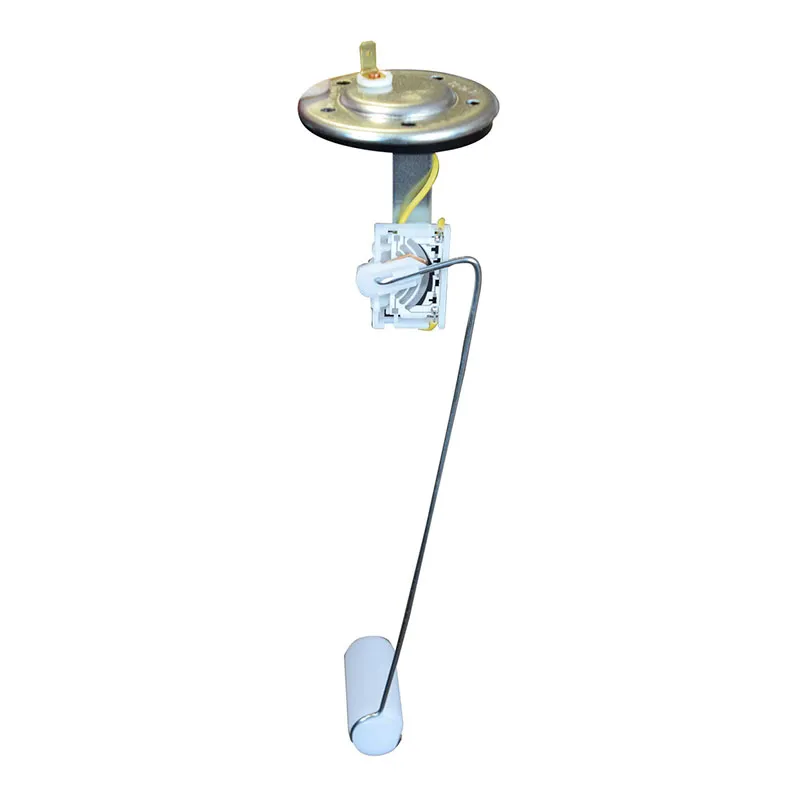
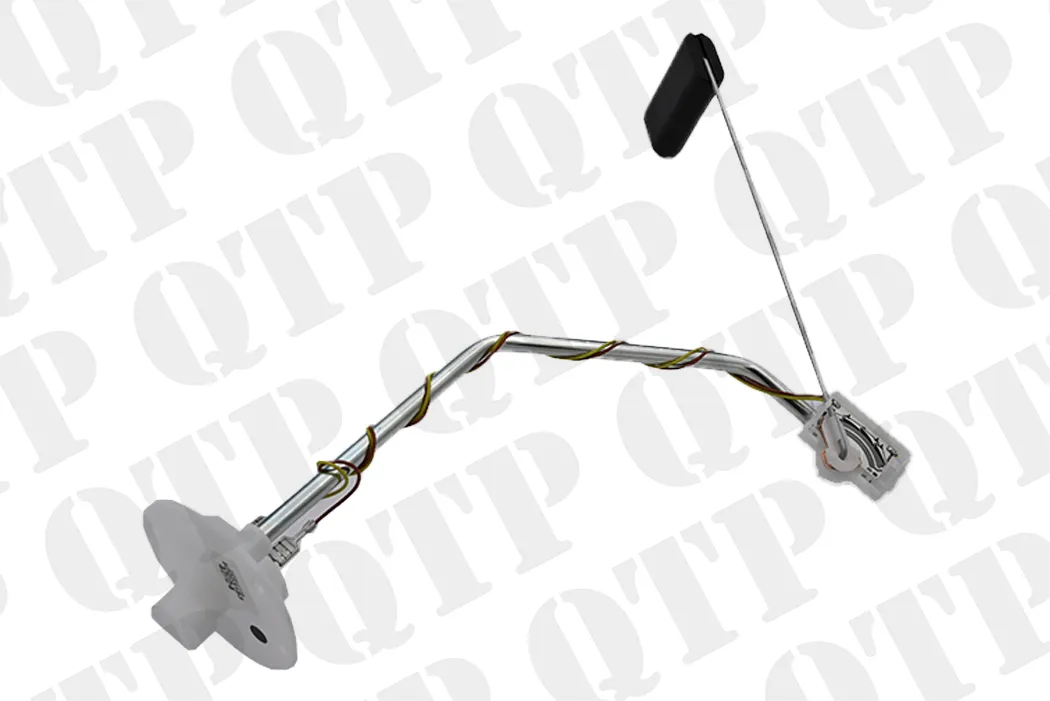
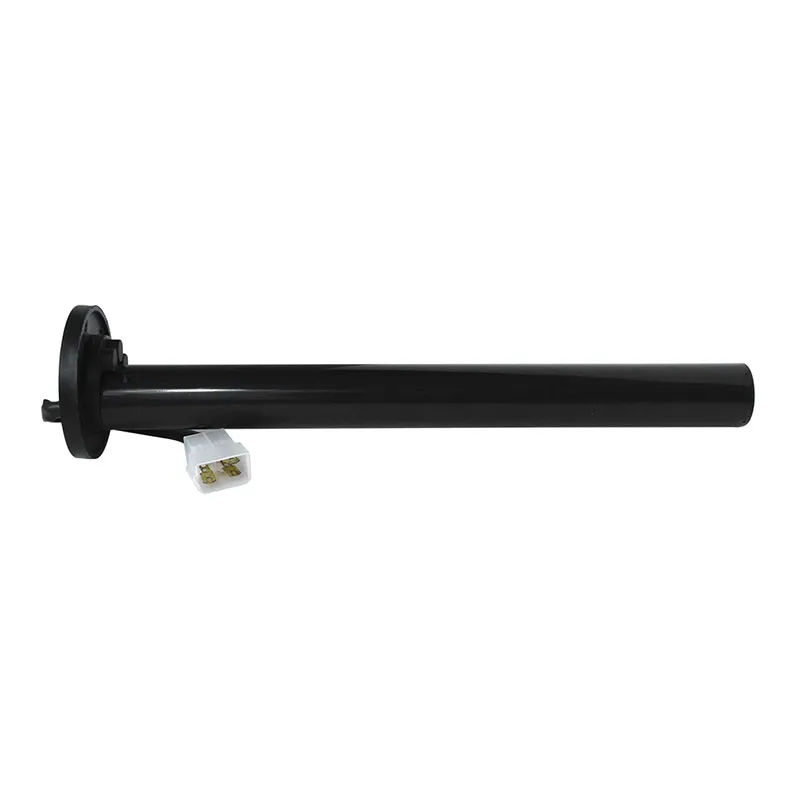
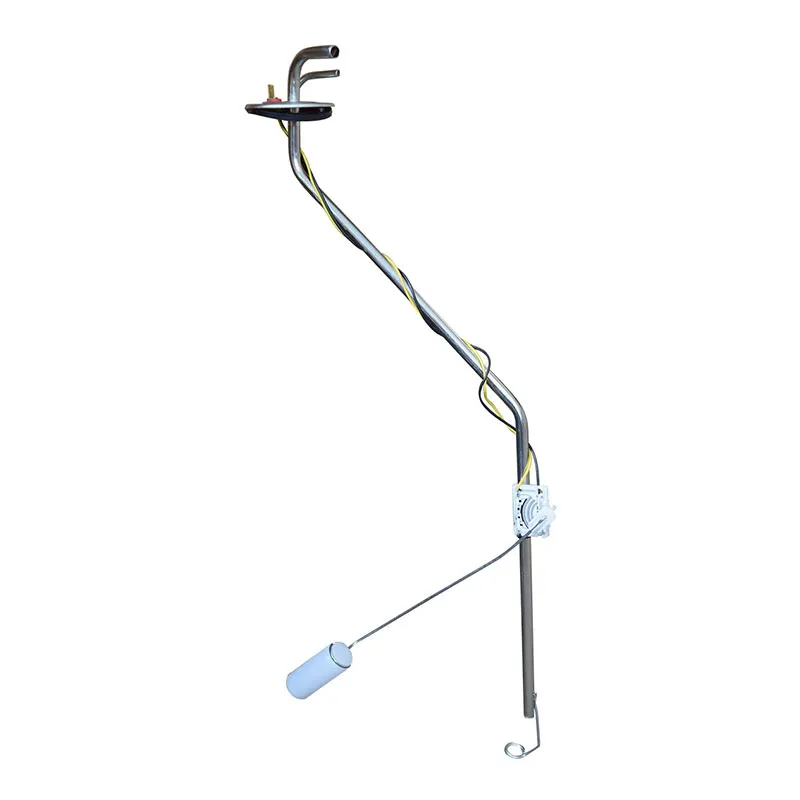
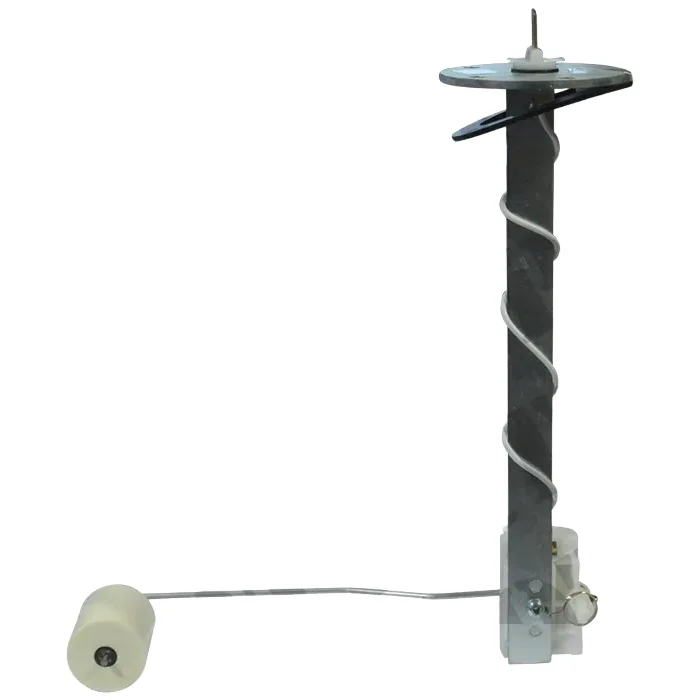
Nothing’s more frustrating than running out of fuel because your gauge reads half-full, or constantly checking the tank because the gauge doesn’t work at all. This replacement fuel sender unit fits a wide range of Case IH tractors, restoring accurate fuel level readings so you know exactly how much working time you have left. If your fuel gauge is stuck, reading incorrectly, or bouncing around randomly, this quality sender gets you back to reliable fuel monitoring.
What You’re Getting
- Universal design that fits multiple Case IH series – one part covers your whole fleet
- Accurate fuel readings from full to empty so you can plan your workday
- Durable construction that resists fuel contamination and vibration
- Float mechanism that operates smoothly through its full range
- Direct replacement that installs without modifications
Built for Real Farm Work
The extensive compatibility of this fuel sender is a real advantage for mixed fleets. Whether you’re running a compact 353 for mowing, a 743XL for loader work, or an 844S for field operations, this same sender unit works across the range. No more keeping track of multiple part numbers or paying premium prices for model-specific units. This standardization is especially valuable for operations with several Case tractors – one spare covers all your machines.
Made to Last
Fuel tank senders live in a harsh environment – constantly bathed in diesel fuel, subject to vibration, and expected to work accurately for years. This replacement uses materials specifically chosen for fuel resistance, preventing the deterioration that causes erratic readings. The float mechanism operates smoothly through its full range, providing linear output that translates to accurate gauge readings. Unlike cheap senders that fail quickly or never read quite right, this unit delivers the reliability these working tractors deserve.
Installation Notes
Sender replacement requires draining the fuel tank – plan accordingly and have containers ready. Clean the tank opening area thoroughly before removal to prevent contamination. Compare old and new units to verify compatibility – float arm length and resistance range must match. Install the new sender with a new gasket or O-ring to prevent leaks. The float must move freely from empty to full positions. If gauge readings seem off, verify proper grounding – poor grounds cause inaccurate readings.
Reviews
There are no reviews yet.